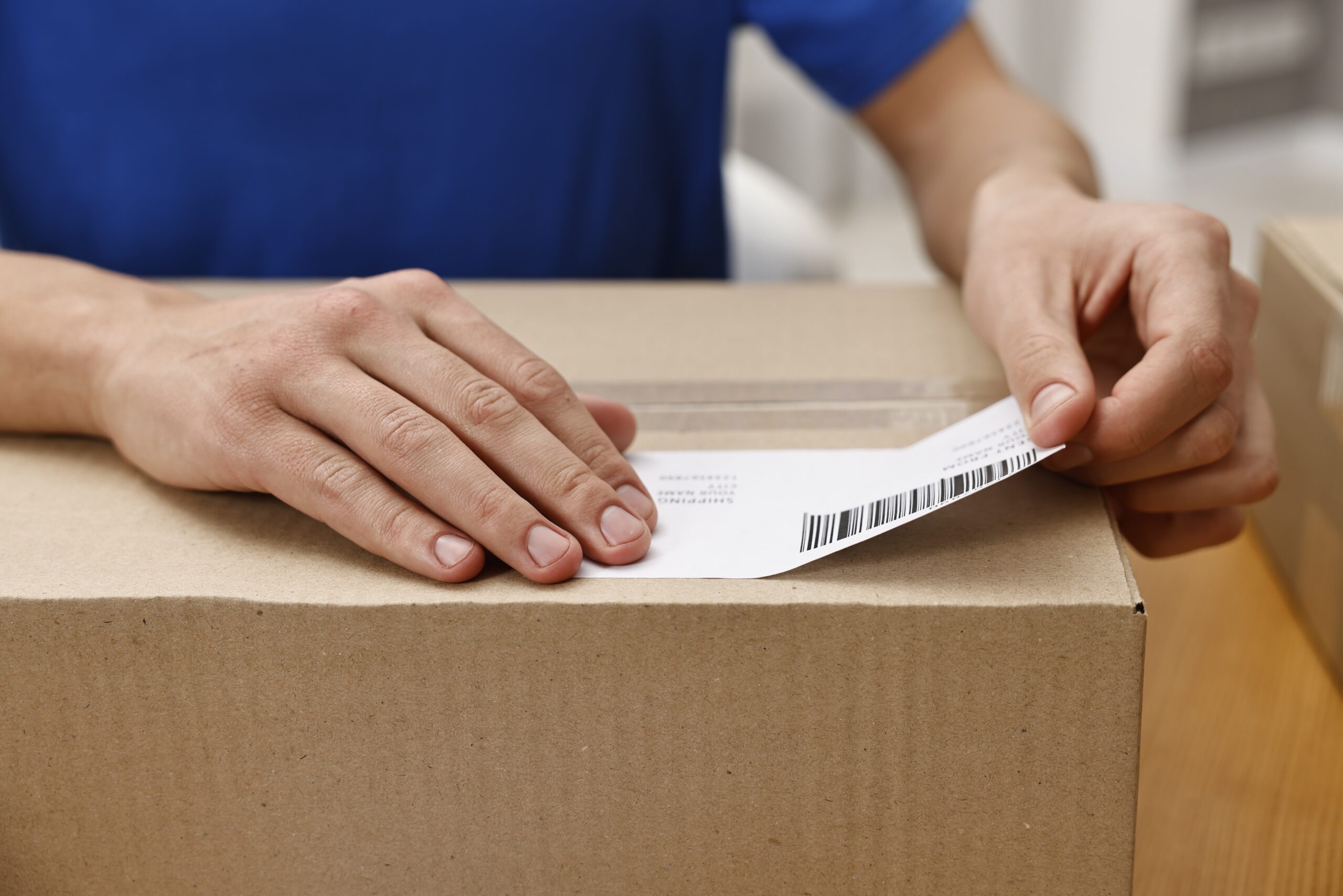
A physical game release puts pressure on every part of the supply chain, but few decisions carry as much weight as where you store the stock and who handles the dispatch. Pre-launch inventory that cannot leak, review kits that have to reach creators on embargo day, retail orders and influencer sends that all need to ship on cue. Get the warehousing and fulfilment wrong and the launch starts to unravel before a single unit hits a shelf.
For studios running a physical release, the fulfilment partner is not a warehouse with a postcode. It is the operation that sits between your finished product and the people who need to receive it, on time and under control.
What Studios Should Look for in Warehousing and Fulfilment Services
The first thing to evaluate is whether the provider has experience with game releases specifically. A general warehousing and fulfilment operation can store and ship goods, but a launch brings a different set of demands. The partner needs to understand embargo timelines, know what it means to hold stock securely until a specific release window, and be comfortable coordinating dispatch to reviewers, influencers, retailers and events at the same time.
A single point of contact for the entire release makes a noticeable difference. Rather than chasing separate teams for storage updates, dispatch confirmations and delivery tracking, one account manager who understands the launch timeline and can make decisions quickly keeps the process moving.
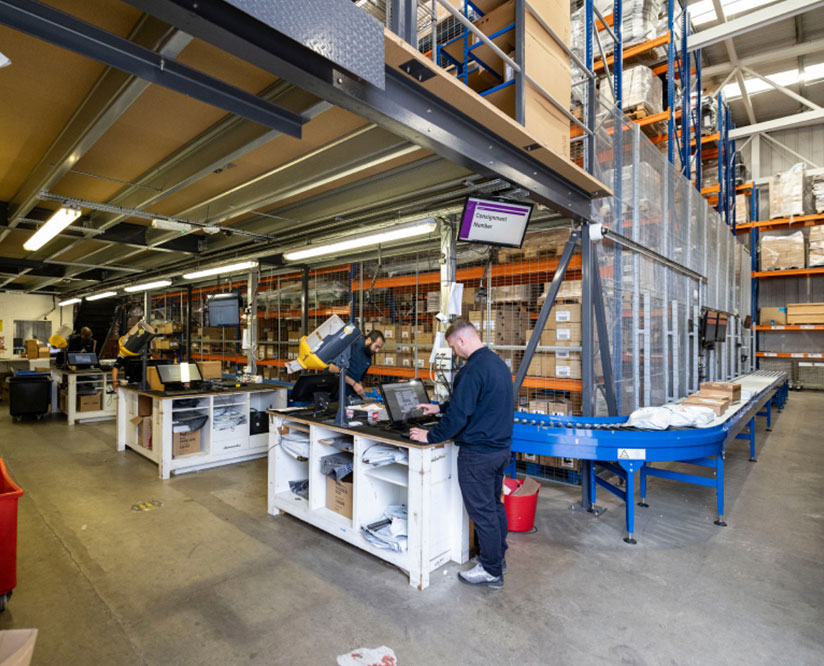
Studios should also look for a partner that handles both storage and dispatch under the same roof. When fulfilment is split across providers, handoffs create gaps and gaps create delays. A joined-up operation means the team packing your review kits is in the same facility as the stock, working to the same deadline.
Why Secure Fulfilment Warehousing Protects Your Launch
For any studio holding pre-release stock, storage security is a launch-critical decision. A leak before embargo day can affect reviews, undermine marketing plans and damage relationships with retail and media partners. The commercial and reputational cost of a breach is significant.
TAPA-certified warehousing sets the standard here. TAPA certification means the facility meets recognised global requirements for cargo security, covering access controls, CCTV, alarm systems and staff vetting. Insurers, publishers and retail partners treat it as the baseline for storing high-value and embargo-sensitive stock. If a warehouse is not TAPA-certified, it is worth asking why.
AmWorld operates TAPA-certified facilities with high-security storage designed for exactly this kind of stock. For studios that need to hold inventory securely ahead of a launch window, that certification is not a nice detail on a brochure. It is the assurance that the product is protected until the moment it needs to move.
How the Right Warehousing Fulfilment Setup Handles Launch-Day Volume
Launch day is where capacity matters most. A fulfilment partner needs to handle a sharp spike in dispatch volume without compromising accuracy or timing. Review kits to creators, retail stock to distribution centres, influencer packages to individual addresses, event freight to venues, sometimes all on the same day.
The ability to scale during peak periods is essential. A provider that operates well at steady-state volume but cannot absorb a sudden increase will create bottlenecks at the worst possible moment. Studios should ask how the warehouse manages peak demand and whether there is a dedicated launch management service that coordinates the entire dispatch schedule.
Studios working on AAA releases will recognise this pressure. The fulfilment partner needs to absorb last-minute additions, adjust quantities without delay, and keep dispatch running on schedule even when the plan changes.
Why Warehousing and Fulfilment Services Should Include Customs and International Reach
A studio releasing globally needs a fulfilment partner that can handle international dispatch and customs clearance from the same operation. When fulfilment sits with one provider and international shipping sits with another, the join between them is where launch timelines tend to break.
An integrated service means stock moves from secure storage through customs paperwork and into international transit without changing hands between separate companies. For studios sending review kits or merchandise into multiple countries around the same launch window, that continuity matters.
Choosing Warehousing and Fulfilment Services That Hold a Release Together
The right partner brings sector experience, TAPA-certified security, launch-day capacity and international reach under one roof. Warehousing and fulfilment services for a game release are not a commodity purchase. They are a strategic decision that directly affects whether the launch runs to plan.
AmWorld works with gaming and entertainment brands including EA Sports, Sony and Ubisoft, handling secure storage, coordinated dispatch and international fulfilment for physical releases. When your next launch needs a fulfilment partner that understands what is at stake, talk to our team about how we can support it.