Moving stock into and across Europe means moving it through a lot of borders. Pallets leaving a manufacturer in Asia need to reach a UK warehouse on schedule. Retail or trade stock must cross into France, Germany and Spain in time for the dates that matter. Each of those movements involves different freight modes, different paperwork and different carriers, and the business coordinating all of it needs a freight forwarder who can hold the whole chain together.
For any company importing goods or distributing across European markets, the freight forwarder is one of the most important partners in the supply chain. The volumes are large, the lead times are long, and the number of handoff points between origin and final destination is where things tend to go wrong.
What International Freight Forwarding Should Cover
A full international freight forwarding service should bring sea, air and road freight together under one provider. Sea freight handles the bulk, moving containerised stock from manufacturing hubs to a UK port, with full container load and less than container load options depending on volume. Air freight covers time-critical shipments where speed matters more than cost. UK and EU road freight handles onward distribution, getting goods from a central warehouse to customers, distributors and retail destinations across Europe.
When these sit with separate providers, each handoff becomes a potential point of failure. A container arrives at port but nobody is coordinating the customs entry. Stock clears UK customs but nobody has booked the road freight into France. Consolidating all three under one freight forwarder removes those gaps and gives the business one team to hold accountable for the entire journey.
Why Customs Expertise Sits at the Heart of Freight Forwarding Services
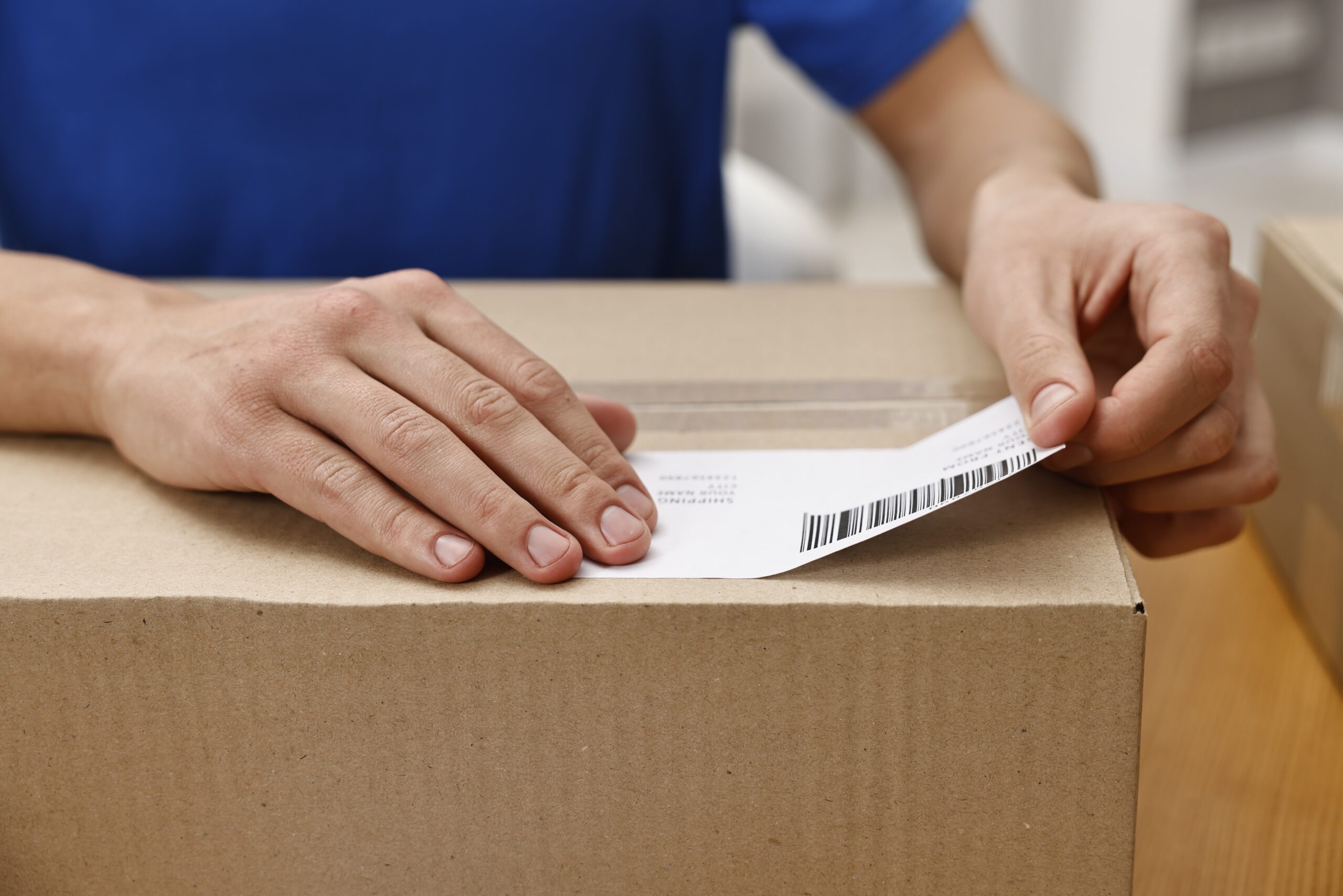
Post-Brexit, customs is the single biggest cause of freight delays between the UK and EU. Every consignment crossing that border now requires a customs declaration, and the paperwork has to be right first time. Errors in tariff codes, missing documentation or incorrect commodity descriptions leave goods sitting at the border while corrections are processed. For a business working to a fixed delivery date, that delay can mean missing a window entirely.
A freight forwarder with in-house customs clearance is a non-negotiable for European distribution. In-house means the same team managing the freight is also preparing the declarations through HMRC’s Customs Declaration Service. AmWorld’s customs specialists handle this electronically, including deferment arrangements for duty and VAT, so goods keep moving without the business having to manage the compliance side separately.
When customs is outsourced to a third-party broker, there is an extra layer of communication and an extra point where things can stall. For freight tied to a deadline, that layer is a risk most businesses do not need to take.
How Global Freight Forwarding Simplifies European Distribution
Getting stock into the UK is only half the problem. A business distributing across Europe also needs to move that stock onwards into individual markets, and coordinating separate carriers in each country gets complicated quickly.
A global freight forwarding partner with an established European road network can consolidate distribution from a UK hub. Stock arrives by sea or air, clears customs, moves into secure warehousing, and then dispatches by road into France, Germany, Spain and beyond, all managed by one team. The business gets door-to-door visibility and a single point of accountability rather than chasing three or four hauliers across different countries.
Container devanning is part of this too. Once a container reaches its destination, the freight forwarder unloads and sorts the cargo, then delivers it to its final point or into storage, so the business is not left arranging that final leg separately.
What to Expect from an International Freight Forwarding Partner
Beyond freight modes and customs capability, the partnership itself matters. Businesses should expect a single point of contact who understands the shipment schedule and can coordinate across sea, air and road without the client having to manage each leg separately.
Experience with cross-border trade counts. A freight forwarder who regularly handles imports and exports understands where consignments get held up and how to keep them moving, which matters when a delay carries a commercial cost. Understanding what a freight forwarder really does helps businesses ask the right questions during evaluation.
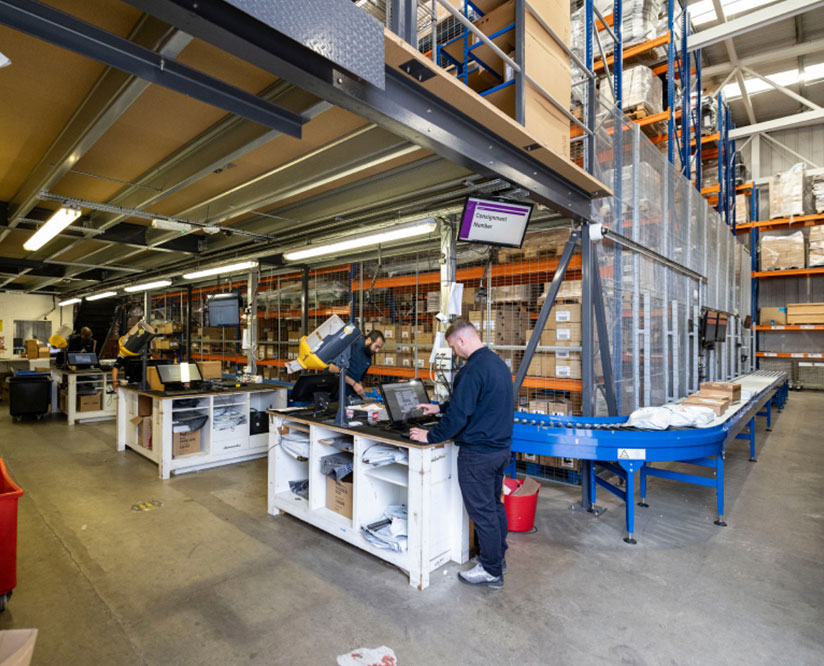
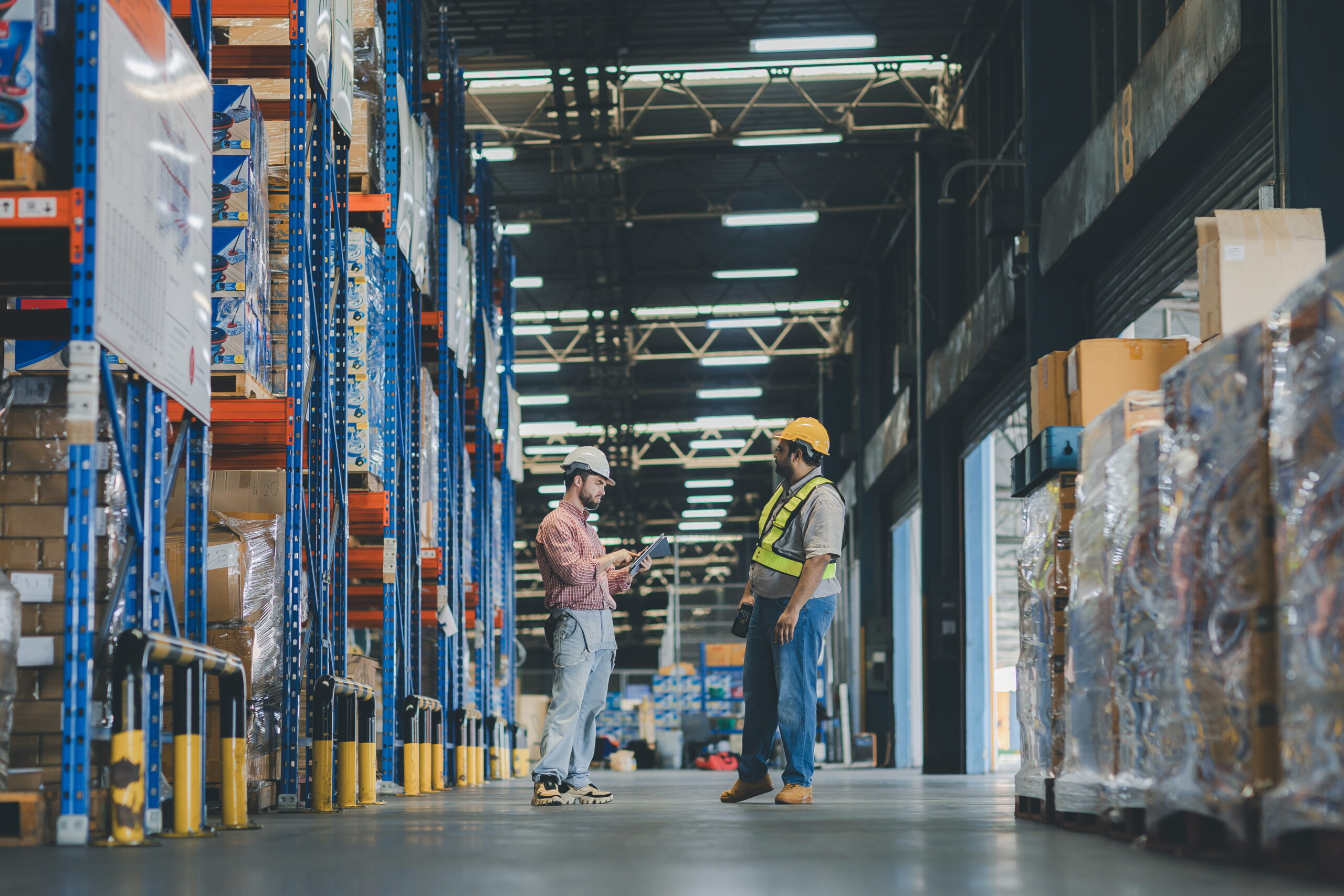
Integration with secure storage and fulfilment under one roof is also worth looking for. A business that can move bulk freight, store it securely, and then dispatch onwards from the same provider avoids the coordination problems that come from splitting the operation across separate companies.
Choosing a Global Freight Forwarder for European Distribution
The right freight forwarding partner needs sea, air and road capability, in-house customs expertise with HMRC CDS access, a European distribution network, and an understanding of what a missed deadline costs.
AmWorld manages international freight forwarding for importers and exporters moving goods across Europe, handling customs declarations, coordinating road freight and providing warehousing where stock needs to be held before onward delivery. When your next shipment needs freight moving on time and through customs without delays, talk to our team about getting it planned.